

Chest Pain Treatment

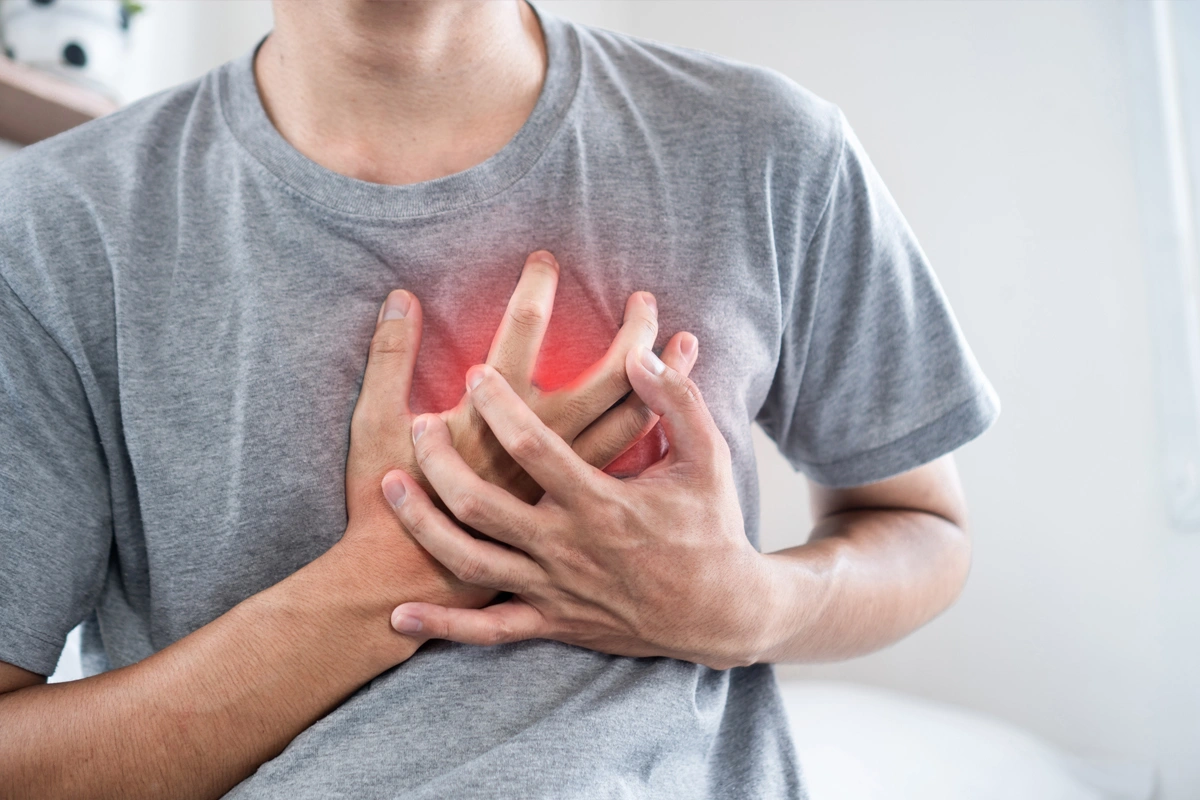
When Chest Pain Signals a Heart Problem
Heart-related chest pain, such as angina, often occurs when the heart muscle is not receiving enough oxygen-rich blood. While the discomfort may feel mild or occasional at first, it can indicate underlying coronary artery disease.
Without proper treatment, reduced blood flow to the heart can progress to more serious conditions, including heart attacks or heart failure. Addressing chest pain early is therefore not just about relieving symptoms. It is about identifying the cause and protecting your heart health for the long term.
How Chest Pain Is Diagnosed Before Treatment

Treating Angina and Reduced Blood Flow to the Heart
Angina is one of the most common heart-related causes of chest discomfort. It occurs when narrowed coronary arteries restrict blood flow to the heart muscle, preventing it from receiving enough oxygen during periods of increased demand.
People with angina often experience pressure, tightness or heaviness in the chest, particularly during physical activity or emotional stress. Treatment aims to improve blood flow, reduce strain on the heart and prevent the condition from progressing.
Medication
- Relax blood vessels to improve circulation
- Reduce the heart’s workload
- Lower blood pressure and cholesterol levels
- Prevent blood clots that may worsen artery narrowing
Interventional Procedures
When coronary artery narrowing becomes more severe, procedures may be required to restore blood flow.
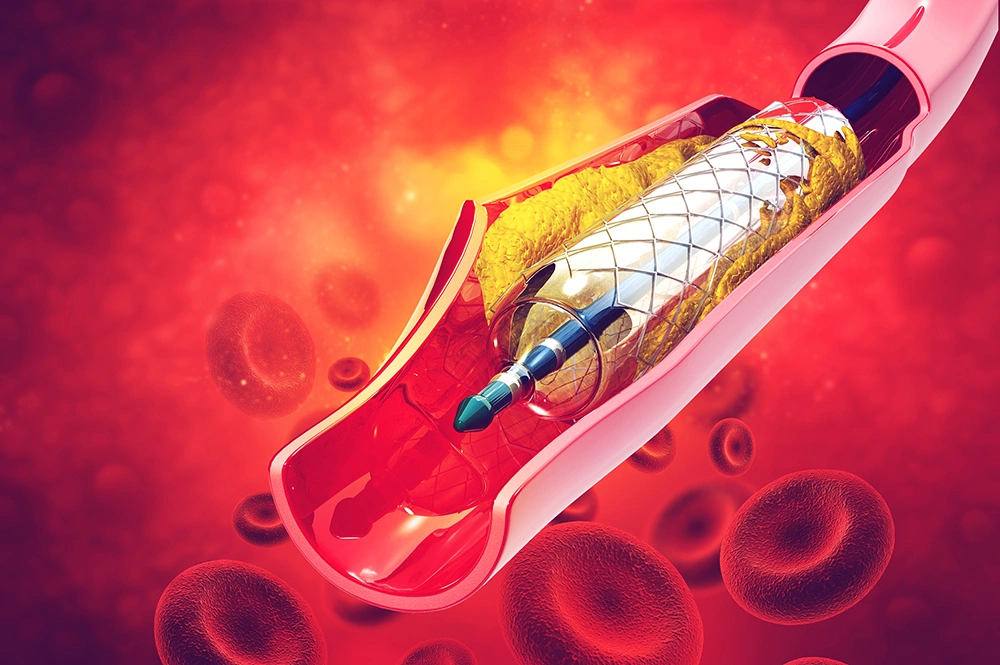
Coronary Angioplasty and Stent Placement
This minimally invasive procedure involves inserting a small balloon into the narrowed artery. The balloon is inflated to widen the vessel, and a stent is placed to keep the artery open. This allows blood to flow more freely to the heart muscle and helps relieve angina symptoms.
Coronary Artery Bypass Surgery
In patients with extensive or complex blockages, bypass surgery may be recommended. Surgeons create a new pathway for blood to reach the heart by bypassing blocked coronary arteries.

Managing Other Cardiac Causes of Chest Pain
Irregular Heart Rhythms (Arrhythmias)
Heart Failure
Heart Attack (Myocardial Infarction)

Do not wait until symptoms become severe
before seeking help.

Lifestyle Changes That Support Angina Management
Improving Cardiovascular Fitness
Managing Blood Pressure and Cholesterol
Maintaining a Heart-Healthy Diet
Stopping Smoking
Managing Stress and Maintaining Healthy Body Weight
Why Early Action Matters
- Restores blood flow and oxygen supply
- Reduces the frequency and severity of chest discomfort
- Lowers the risk of heart attack
- Protects long-term cardiovascular health
Heart Specialist

Meet Our Heart Specialist
- MB BCh (Ireland), MRCP (United Kingdom)
- FAMS (Cardiology), FRCP (Edinburgh, UK)
- FACC (ACC, USA), FESC (European Society of Cardiology, France)
- Diplomate Nuclear Board of Cardiology (CNBC, USA)
- Cardiovascular Angiography & Interventions (FSCAI, USA)
Dr Eric Hong is an established cardiologist with extensive experience in diagnosing and managing chest pain and complex heart conditions. He completed two clinical fellowships in the United States and is doubly accredited in interventional cardiology and non-invasive cardiac imaging. Over the years, Dr Hong has presented at international conferences, held multiple leadership appointments and received several service awards in recognition of his contributions to cardiology. He is also certified by the American College of Sports Medicine, strengthening his expertise in risk assessment and the prevention of Sudden Cardiac Death.
Dr Eric Hong is an established cardiologist with extensive experience in diagnosing and managing chest pain and complex heart conditions. He completed two clinical fellowships in the United States and is doubly accredited in interventional cardiology and non-invasive cardiac imaging. Over the years, Dr Hong has presented at international conferences, held multiple leadership appointments and received several service awards in recognition of his contributions to cardiology. He is also certified by the American College of Sports Medicine, strengthening his expertise in risk assessment and the prevention of Sudden Cardiac Death.
